
How to Divide Caregiving Responsibilities Among Siblings
Open communication and clear expectations help siblings work together to support aging parents.
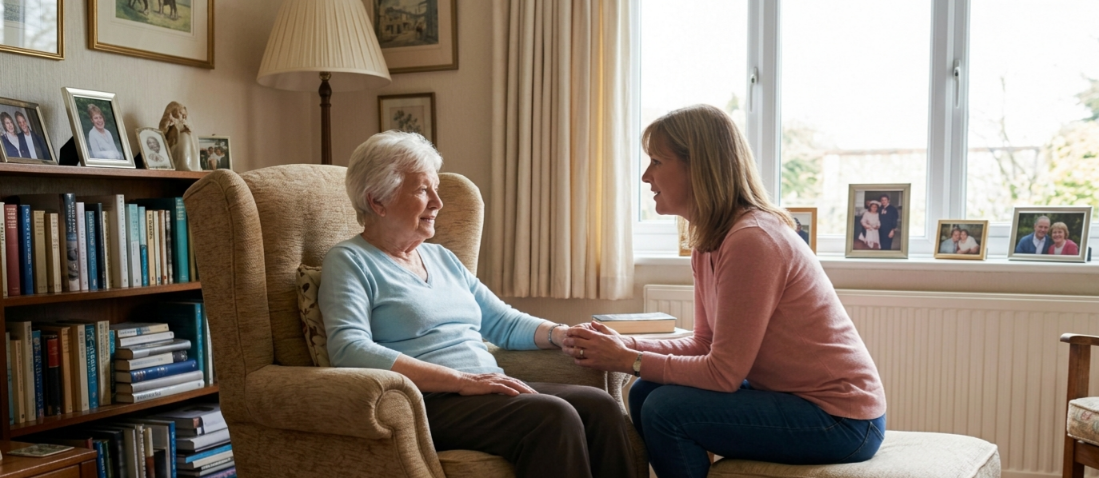
How to Support Aging Parents Who Live Alone
Living alone can be empowering for seniors, but it also introduces risks. Families can help ensure safety through proactive support.

Balancing Work and Caregiving: Tips for Adult Children
Caregiving while managing a career can be overwhelming. Strategic planning and outside support help families maintain balance.
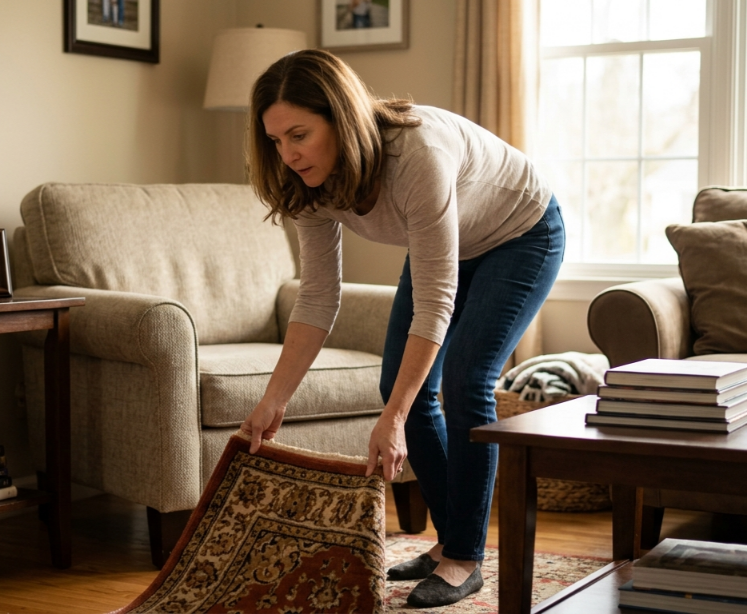
How Families Can Prepare a Home for a Caregiver
Small preparations can make a big difference when welcoming a caregiver into the home. Organization and communication help create a positive start.

What to Expect During the First In-Home Care Visit
The first caregiver visit sets the tone for a successful care relationship. Understanding what to expect can help families prepare with confidence.

How to Start the Conversation About Home Care With Aging Parents
Many families struggle to introduce the idea of in-home care. A respectful, thoughtful conversation can help parents feel supported rather than pressured.

Signs It May Be Time to Consider In-Home Care
Changes in safety, mobility, or daily routines may signal that a loved one needs help. Early support can prevent larger health challenges.

How to Build a Family Caregiving Plan
When families plan caregiving together, responsibilities become clearer and support becomes more consistent.

Long-Distance Caregiving: Supporting Parents from Afar
Distance can make it difficult to understand how a loved one is truly doing. Reliable support and consistent communication help families stay informed and ensure safety, even from afar.

Planning for Care Before a Crisis Happens
Many families begin care decisions during emergencies, when stress limits options. Planning ahead creates clarity, preserves independence, and allows thoughtful decisions before urgent situations arise.